
Winter tires in Ottawa and Gatineau: the rules are different on each side of the river
Quebec legally requires winter tires on passenger vehicles from December 1 to March 15 each year. Ontario has no such law, it only offers a mandatory insurance discount to drivers who run winter tires. If you live in Ottawa but cross into Gatineau or Aylmer regularly, the Quebec deadline is the one that can get you a ticket, so it is the one to plan around.
Two provinces, two different rules
Ottawa and Gatineau sit across the same river, and a lot of people drive that bridge daily for work, school, or family. It is easy to assume the tire rules are the same on both sides. They are not.
Quebec makes winter tires mandatory by law for passenger vehicles registered in the province, from December 1 to March 15 every year. Ontario does not have that law. Instead, Ontario requires insurance companies to offer a discount to drivers who put winter tires on their car, which nudges people toward the same choice through their wallet rather than through a fine.
The distinction that trips people up is that the Quebec requirement follows the vehicle’s registration, not the route it drives. A Quebec plated car is bound by the December 1 to March 15 window no matter where in the region it is being driven, including on Ottawa streets. An Ontario plated car crossing into Gatineau is not subject to the Quebec law, because the law applies to vehicles registered in Quebec.
What actually triggers the switch, temperature not snow
The reason winter tires outperform all seasons has nothing to do with whether snow is on the ground. It comes down to the rubber compound. All season tire rubber is formulated to work across a wide range of conditions, but it starts to stiffen once the temperature drops below roughly 7 degrees Celsius, and stiff rubber grips less, even on dry, clear pavement. Winter tire rubber is formulated to stay flexible well below freezing, which is why a car on winter tires can stop shorter and hold a curve better on a cold, dry November morning, long before the first snowfall.
That 7 degree mark is the real signal to watch, not the forecast for snow. Ottawa typically sees average temperatures cross that line in mid to late October, which is why shops recommend booking the changeover before the calendar says winter has arrived.
When to book the changeover
The crunch in Ottawa runs from late October through early December. That is when most drivers finally react to a cold morning or an early snowfall and call around, and every shop in the city gets the same wave of calls at once. Appointments get harder to find, and same day service becomes rare.
Booking in early to mid October, before the rush, means you get a convenient time slot and you are not driving on the wrong rubber during that first cold snap while you wait for an opening. If you know your winter tires are already mounted on a second set of rims, the changeover itself is quick, most of the wait during peak season is scheduling, not the actual work.
Storage between seasons
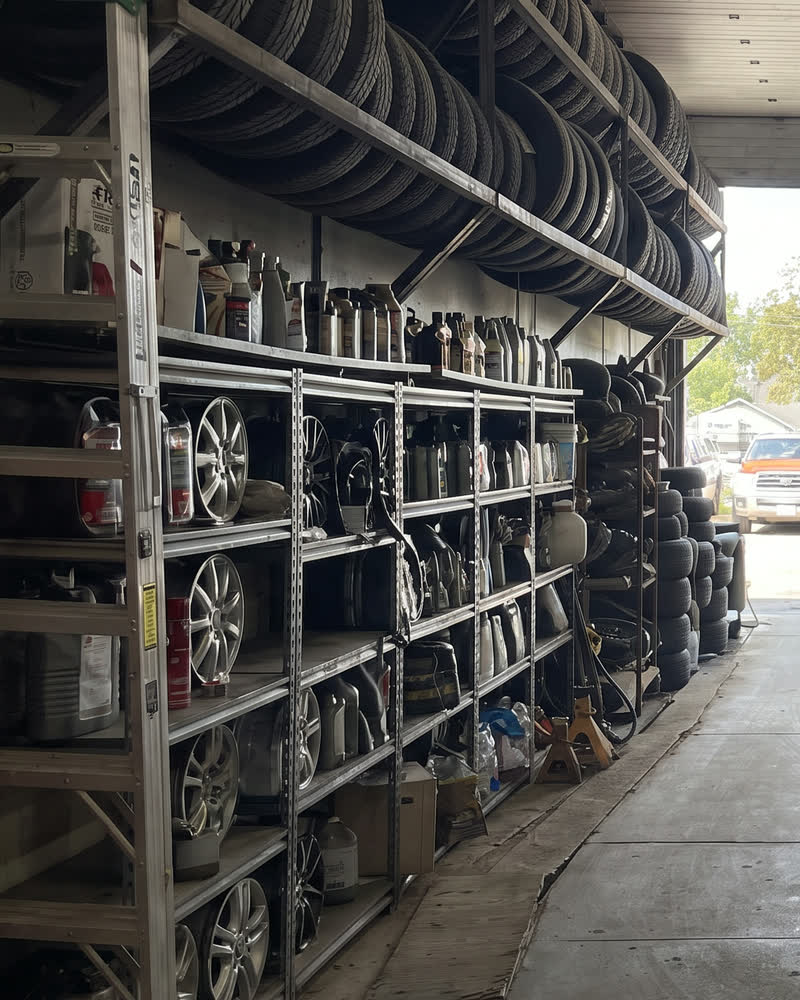
Whichever set is off the car for the season needs to be stored somewhere that will not damage them. Direct sunlight, extreme heat, and contact with oil, gasoline, or solvents all degrade rubber faster than normal wear would. A cool, dry space out of direct sun, ideally stacked or hung rather than left standing flat for months on end, keeps a set of tires in usable shape for years of seasonal swaps.
If you do not have that kind of storage space at home, ask about tire storage when you book your changeover. .
If you drive across the river regularly
If your car is registered in Ontario and you cross into Gatineau or Aylmer often, you are not bound by the Quebec winter tire law, but the case for switching is still strong. You are driving the same cold roads, the same ice, and the same conditions as everyone with a Quebec plate who is required to have winter tires on. The Ontario insurance discount also does not care which side of the river you drive on, it applies as long as winter tires are installed for the season your insurer specifies.
If your car is registered in Quebec, the December 1 to March 15 window is not optional, and it applies everywhere you drive that car, Ottawa included. Plan your changeover date around that deadline rather than around the weather, since a mild December does not change what the law requires.
Either way, the smart move is the same: book the changeover in early to mid October, ahead of the crush, and get it done based on temperature rather than waiting for snow on the ground.
What the Ontario insurance discount actually looks like
Ontario requires auto insurers to offer a discount to drivers who run winter tires for the season, though the size of that discount varies by insurer and by policy, so it is worth calling yours directly to ask what applies to your car. Some insurers ask for proof of purchase or installation, others simply take your word for it during the winter months. Either way, it is a real, ongoing saving that many Ottawa drivers never bother to claim, simply because nobody told them to ask.
The discount is separate from the Quebec legal requirement, and it is available to any Ontario policy holder regardless of which side of the river they usually drive on. If you already run winter tires every year, calling your insurer to confirm the discount is applied costs nothing and can save you real money over a full winter.
A practical way to think about the two rules together
If your car is registered in Ontario, the winter tire decision is entirely yours to make, weighed against the insurance discount and the genuine safety benefit once temperatures drop. Nothing about Ontario law forces the switch.
If your car is registered in Quebec, the decision is made for you by December 1, and staying on all seasons past that date is not a grey area, it is against the law as written. The two sets of rules exist side by side in the same city, which is unusual, and it is exactly why this trips up so many drivers who assume one province’s approach applies everywhere in the region.
Book your changeover
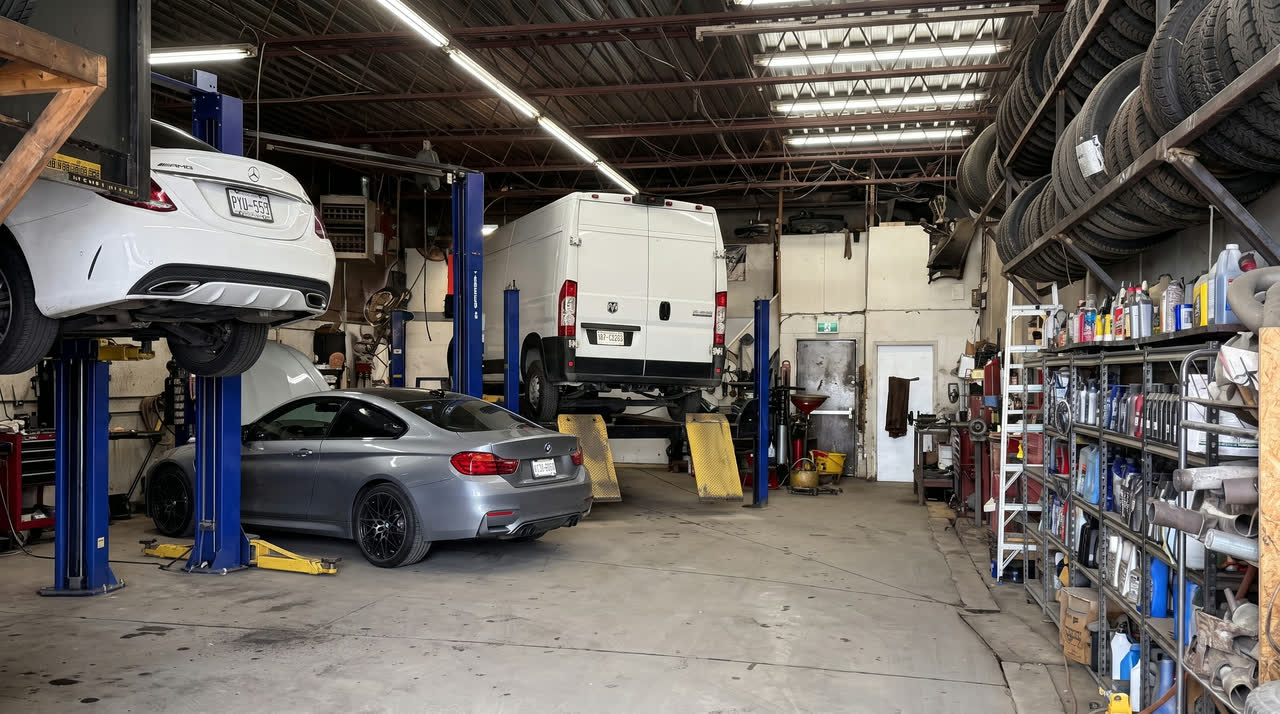
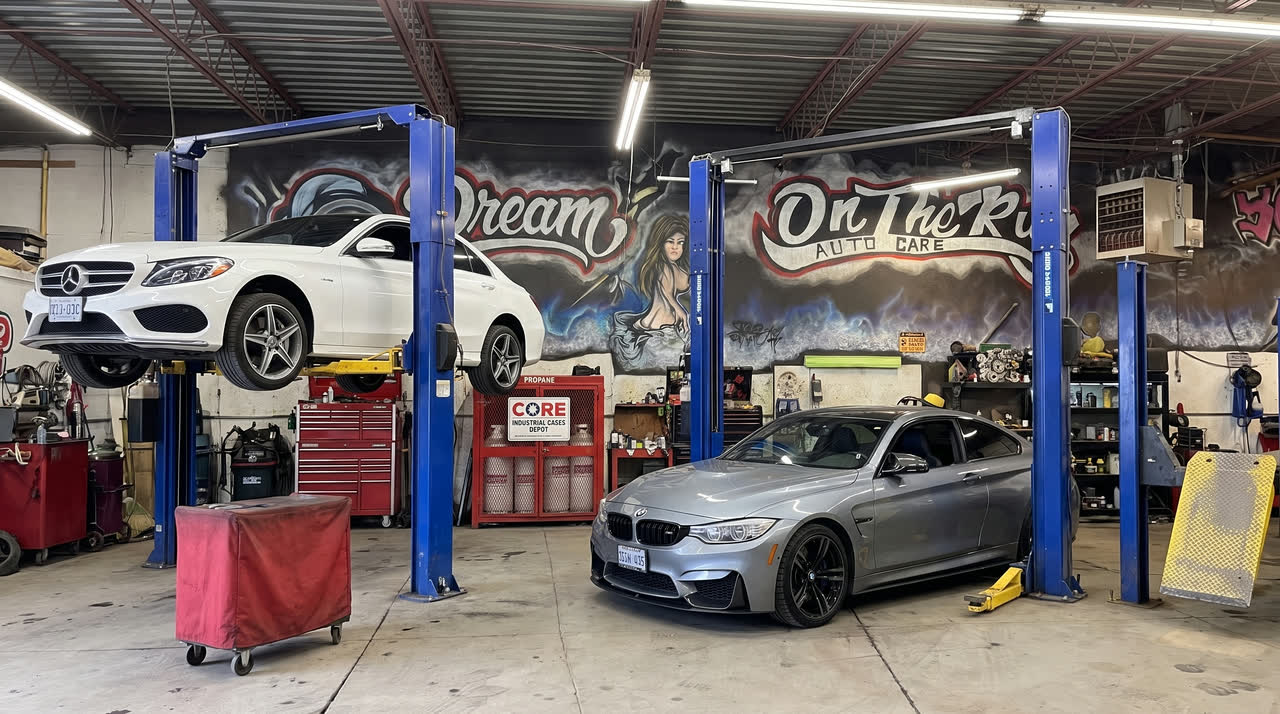
If you need a winter tire changeover, tire service or a check on your wheel alignment before winter, call (613) 321-7342 or book online. On The Run Auto Care is at 2535 Blackwell Street, Suite 12, in east end Ottawa, serving Ottawa, Gatineau, and Aylmer.
Common questions
Do I legally need winter tires in Ottawa?
No. Ontario does not mandate winter tires for passenger vehicles. It does require insurance companies to offer a discount to drivers who use them, which is Ontario's way of encouraging the same behaviour without making it law.
Do I legally need winter tires in Gatineau or Aylmer?
Yes, if the vehicle is registered in Quebec. Quebec law requires winter tires on passenger vehicles from December 1 to March 15. The requirement is tied to where the vehicle is registered, not where you happen to be driving, so an Ontario plated car crossing into Gatineau is not caught by the Quebec law, but a Quebec plated car is bound by it everywhere, including in Ottawa.
What actually happens if I drive a Quebec plated car on all season tires in January?
You risk a fine from the SAAQ if you are stopped, and depending on your insurer, a claim after a winter collision can be complicated if the tires on record were not winter rated at the time. Ask your insurer directly what their position is, since this varies by policy.
When should I book my winter tire changeover in Ottawa?
Book in early to mid October if you can. Shops across the city get backed up from late October through early December as the first real cold snap hits and everyone tries to book at once, so waiting for snow to fall usually means a longer wait for an appointment.
Is it true that winter tires perform better even without snow on the ground?
Yes. Winter tire rubber stays flexible and grips the road once the temperature drops below about 7 degrees Celsius, while all season rubber starts to stiffen and lose grip at that same point, even on dry pavement. That is the real trigger for switching, not the first snowfall.
Book it, or just call and ask
If you are not sure which service you need, describe what the car is doing and we will tell you what it needs looking at.