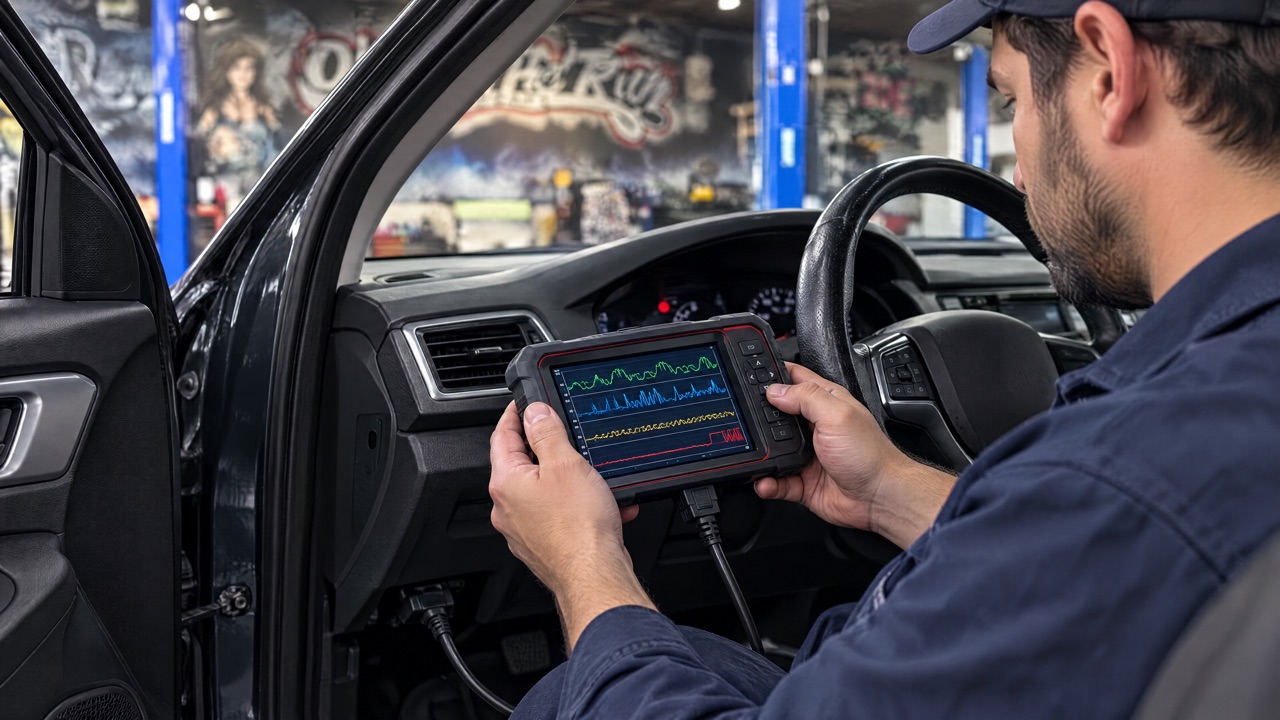
What you might be noticing
A check engine light that wasn’t there yesterday. A noise that only shows up at a certain speed, or only when you turn, or only on a cold morning. A smell out of nowhere, like something burning, something sweet like syrup, or rotten eggs. The car feels down on power, idles rough, or stumbles when you step on the gas merging onto the 417.
Any of these could be minor or could need attention right away. Diagnostics is how we tell which, without guessing.
Warning lights have stages too. A code that sets once and clears itself usually means the computer saw a borderline reading that may never come back. A code that sets and stays on means the fault is there all the time. A flashing check engine light is the one to take seriously, because it usually means the engine is misfiring right now, and the unburned fuel can damage the catalytic converter. That’s a much bigger bill than a steady light that waits a few days.
What we rule out first
A stored code doesn’t automatically mean a part has failed. Fuel system codes often come down to a loose gas cap. A code that names a sensor is sometimes a wiring or connector problem a few inches away from it. We check those cheap, common causes before we recommend a part, because replacing a sensor that was never the problem costs you money and leaves the car the way it was.
What you can check yourself
Before you book, make sure the gas cap is tight and clicked into place. Then pay attention to when the symptom happens. Cold start or warm? Turning, braking, or cruising on the highway? Every time, or now and then?
Write it down, or mention it when you book online. You can also add photos of the dash, which helps more than you’d think when a light has gone out by the time the car reaches us.

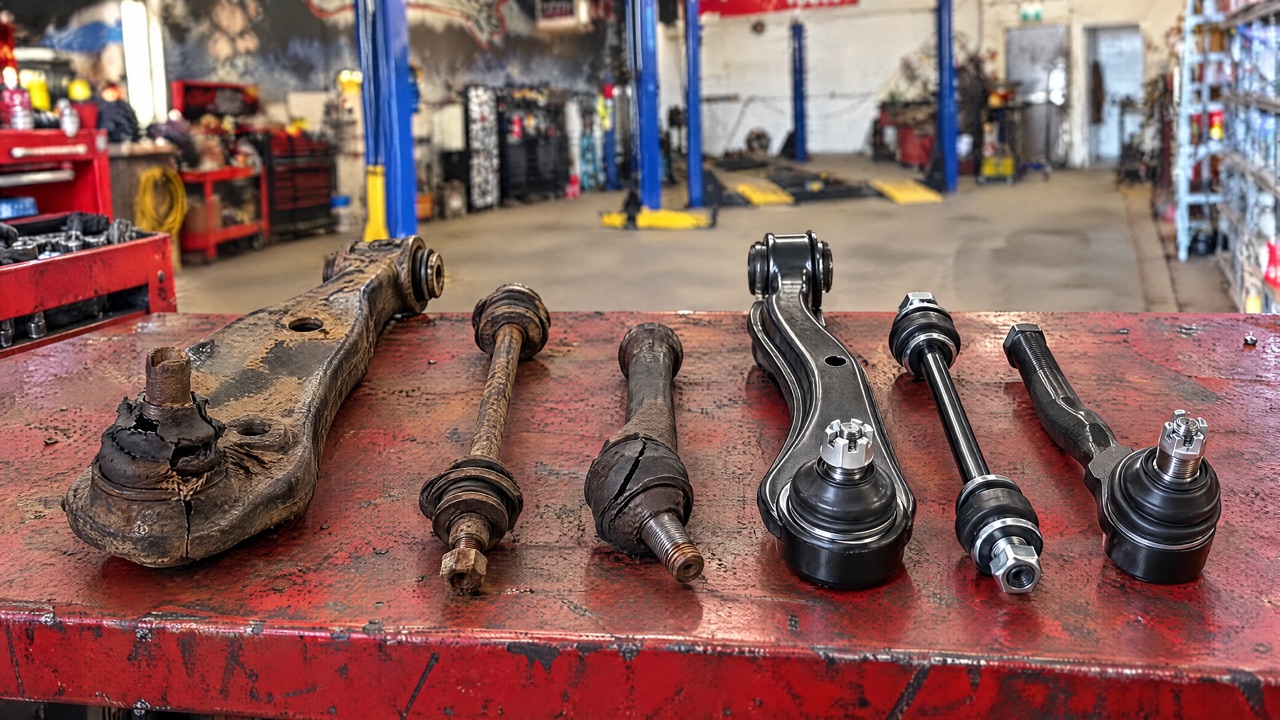
What we actually do
We connect your car to a Snap-on, Mac or OTC scan tool and read the codes and live data the car’s computer has stored. That gives us a starting point, a system or part the car is flagging.
We don’t read a code and quote a part off it. We go and test the area the code points to, because a code tells you where to look and very little else. That matters most with problems that come and go, where the code names one part but the real cause is something wired to it.
Systems we check:
- Engine performance and misfires
- Exhaust and emissions
- Brakes
- Transmission
- Fuel injection
- Cooling system
- Ignition
- Throttle response
Once we’ve confirmed the cause, we explain what we found and what your options are. If we notice something else while the car is here, like a leak or a cracked belt, we mention it, and what you do about it is your call.
How long it takes
Reading codes usually happens early in the visit. Confirming the cause is what takes time. A fault that’s there every time can be confirmed fairly quickly. One that only shows up when the car is warm, or on a bumpy road, or after it’s sat overnight, may need a road test or a few tries before it shows itself.
We’ll give you a timeline once we know what we’re chasing. Drop the car off by 9:00am and we have the whole day, which helps a lot with the problems that come and go.
What it depends on
Mostly on whether the problem is constant or intermittent. An active code is straightforward to confirm. An electrical fault that only appears once the car is warm takes longer to catch in the act.
Diagnostic time is $110 per hour, and we tell you that before we start. The cost of any repair that follows depends on what we find, and you see that number before any work begins.
Related to this
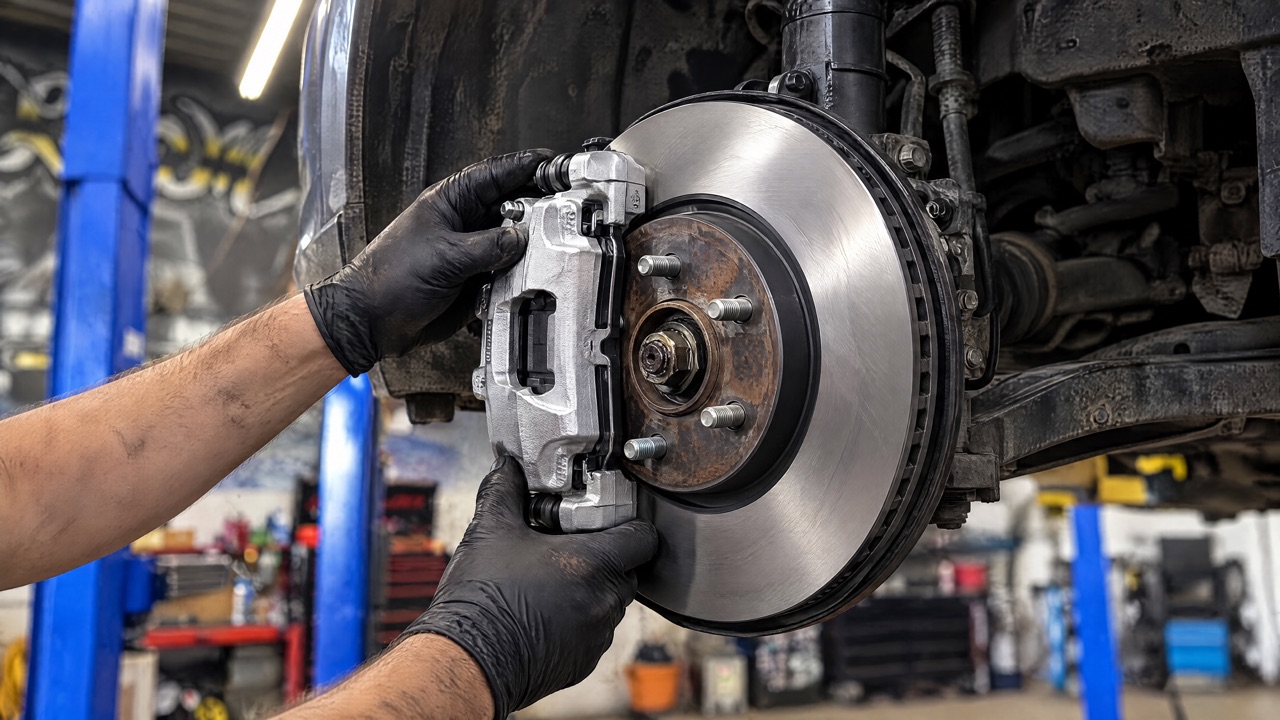
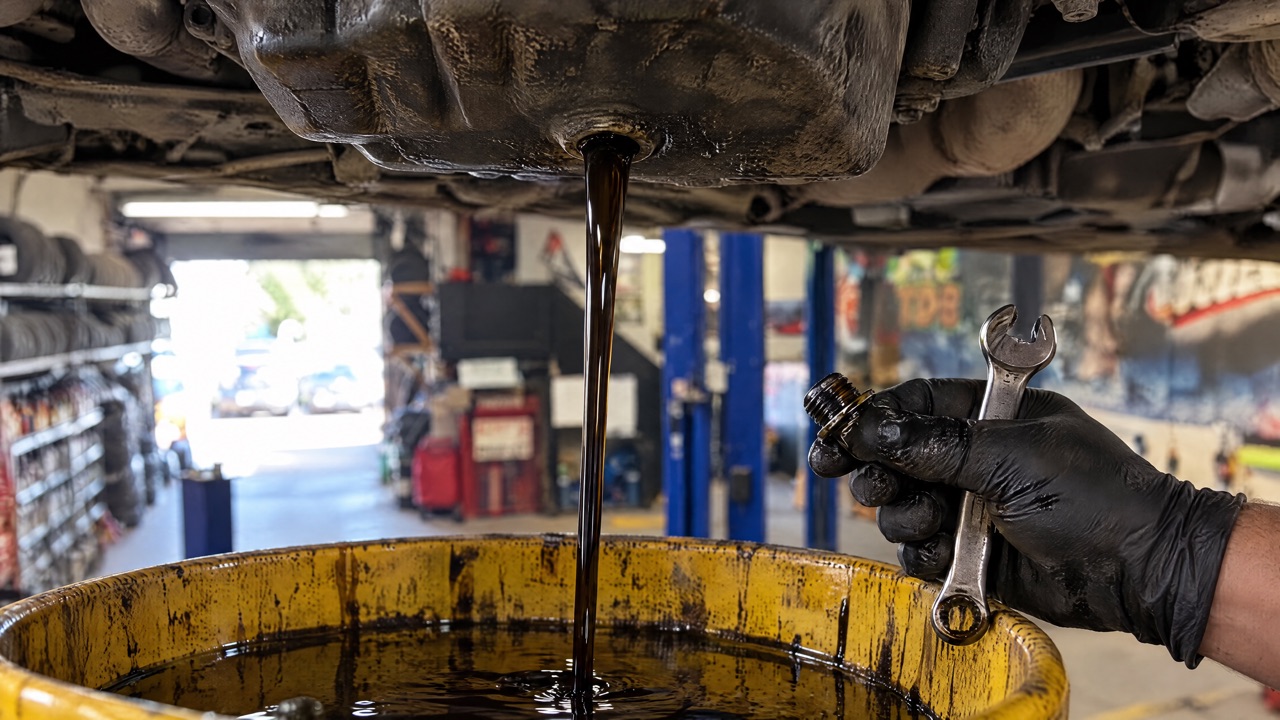
If the diagnosis turns up a brake problem, our brake repair page covers what happens next. Engine, transmission and electrical repairs are on the auto repair page. Keeping up with oil changes is one of the simplest ways to catch engine trouble before a light ever comes on.
Common questions
What does it mean when my check engine light comes on?
The car's computer has seen a reading outside its normal range somewhere in the engine, emissions or a related system. That could be a loose gas cap or something that needs attention soon. A scan tells you which.
Can you tell me what is wrong just from the code?
Not always. A code points us at a system, not necessarily the exact part. We use it as a starting point, then test that system by hand to confirm the cause before we recommend anything.
What tools do you use for diagnostics?
Snap-on, Mac and OTC scan tools. They cover a wide range of makes and models and read live data and manufacturer specific codes, not only the generic codes a cheap reader shows.
Will you charge me if nothing is seriously wrong?
Yes. Finding out takes the same time and equipment whatever the answer turns out to be. Diagnostic time is $110 per hour, and we tell you that before we start.
How long does a diagnostic test take?
Reading the codes is quick. Confirming the cause takes longer, especially when the problem comes and goes. We give you an estimate once we know what we're chasing.
Is a flashing check engine light different from a steady one?
Yes. A steady light should be booked soon but is usually fine for short drives. A flashing light usually means an active misfire, and driving on it can ruin the catalytic converter. Treat that one as urgent.
What can I check myself before bringing the car in?
Make sure the gas cap is tight and clicked, since a loose cap is a common and harmless cause of the light. Then write down when the problem happens, whether that's a cold start, turning, braking or highway speed. That one detail can save a lot of diagnostic time.